Abdul Rehman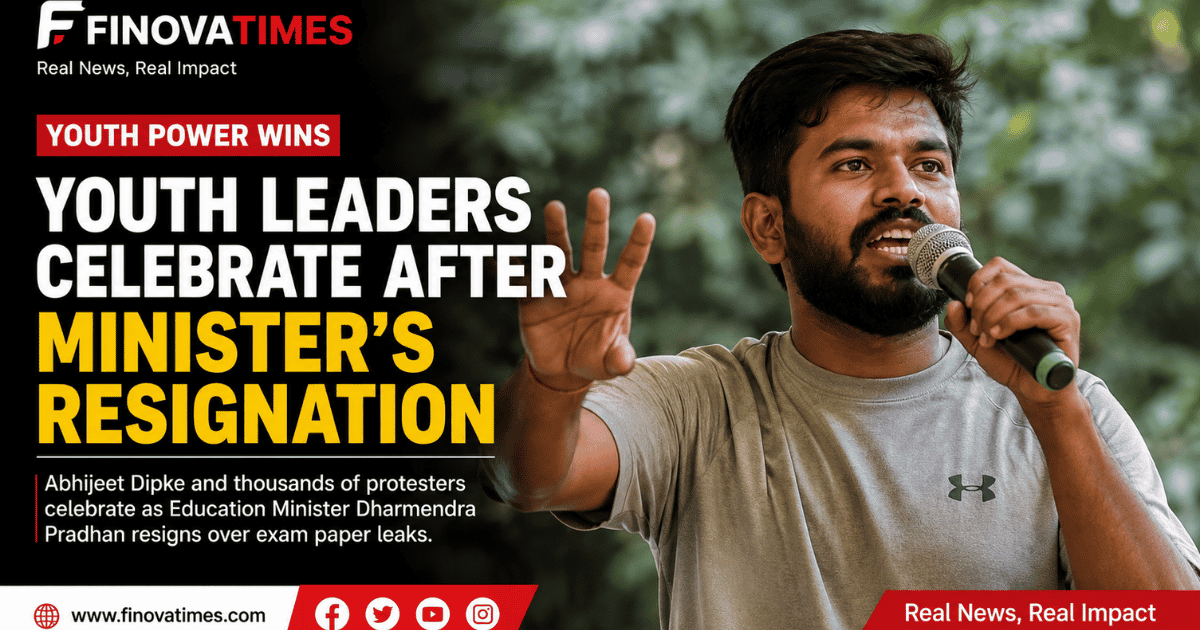
India education minister resigns after youth protests over exam paper leaks. Students celebrate the move as protests grow into a major political flashpoint in New Delhi.
India Education Minister Resigns After Massive Protest Over Exam Paper Leaks
NEW DELHI, July 25 — India’s education minister Dharmendra Pradhan resigned on Saturday after weeks of youth-led protests over exam paper leaks, giving student demonstrators a major political victory and putting fresh pressure on Prime Minister Narendra Modi’s government.
Cheers at Jantar Mantar
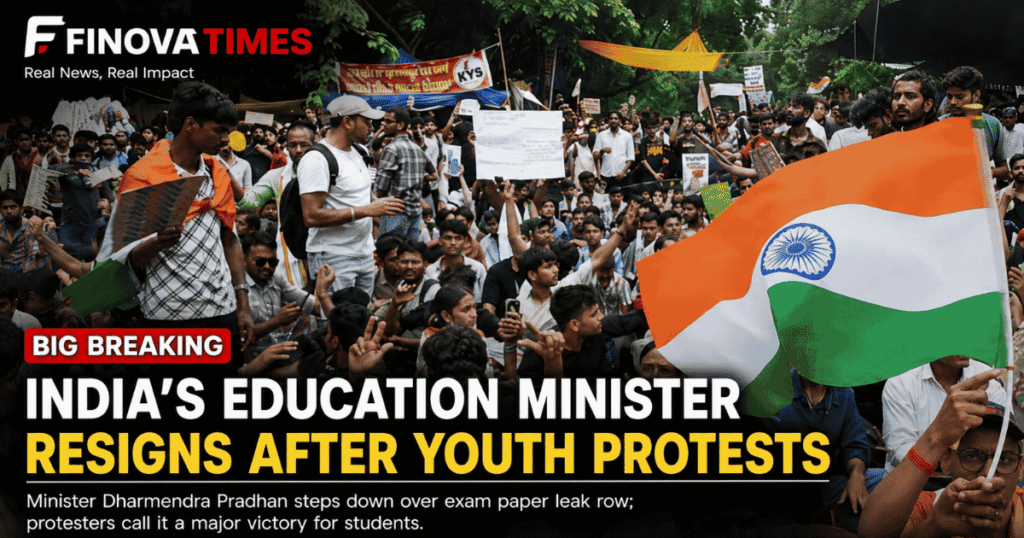
News of the resignation was greeted with celebration at Jantar Mantar in New Delhi, India Education Minister Resigns where thousands of students and supporters had gathered for weeks. Protesters shouted slogans, waved flags and called the minister’s departure a success for the youth movement.
“We have done it,” said Abhijeet Dipke, founder of the Cockroach Janta Party, which has helped lead the demonstrations. For many at the site, the resignation was not just a political event. It was proof that sustained public pressure could force action.
The mood at the protest site changed quickly from tension to relief. Young demonstrators, many of whom had traveled from different parts of the country, saw the resignation as recognition of their anger and sacrifice.
Anger Over Paper Leaks
The protests began over leaks of question papers for high-stakes entrance exams. Students say the leaks damaged trust in the system and created deep frustration among those who had spent months preparing for important tests.
For many young people, the issue went beyond one exam cycle. They saw it as a sign of a wider problem in the education system, where fairness and merit are supposed to matter most. Instead, they said, leaks and corruption had made the process feel unfair.
The demonstrations soon grew larger and more emotional. What started as an education issue turned into a broader protest about accountability, corruption and jobs. The anger reflected the pressure many young Indians feel as they compete for limited opportunities in education and employment.
Police Action Deepens Tension
The unrest intensified after police on Monday injured dozens of students during efforts to stop protesters marching on parliament. Officers used baton charges and tear gas, which only increased public anger and gave the protests more momentum.
On Saturday, police again used tear gas to disperse protesters in the capital. The move came just hours before student leaders were expected to hold another round of talks with ministers. Instead of lowering tensions, the forceful response added to the sense that the situation had become a major political challenge.
Authorities also restricted access to the internet and to 18 metro stations in New Delhi in an effort to contain the unrest. These restrictions showed how seriously the government viewed the protests, but they also underscored how widespread the anger had become.
Minister Steps Down
In his resignation post on X, Pradhan said he had sent his resignation letter to the prime minister. He said he did not want “anti-national forces” to take advantage of the situation and added that he respected the aspirations and expectations of the country’s youth.
The minister’s resignation came during one of the most tense moments of the protests. While police were trying to disperse crowds in the capital, students and protest leaders were preparing for further discussions with ministers. The timing gave the resignation a strong political meaning.
For the government, the decision was a clear attempt to reduce pressure and calm public anger. But for protesters, it was also a sign that their demands had finally been heard. Many viewed the resignation as a necessary first step, not the end of their campaign.
Bigger Questions Remain
The protests have now become one of the biggest street movements in recent years and one of the most serious political flashpoints for Modi’s government. What began as anger over exam paper leaks has widened into a broader call for honesty, fairness and accountability in public life.
Students say they want more than a resignation. They want stronger exam security, a credible investigation into the leaks and real punishment for those responsible. They also want the government to show that the system can protect hardworking students rather than fail them.
The movement has also highlighted deeper frustrations among young people across India. Job scarcity, corruption and uncertainty about the future have all fed into the protests. For many demonstrators, the paper leak scandal became a symbol of a much larger problem.
At Jantar Mantar, the celebrations on Saturday marked an important moment for the protest movement. But the demands have not disappeared. The students who gathered there say they will continue to push for reforms until the exam system is fair, secure and trustworthy.
The resignation may ease immediate pressure on the government, but the protests have already left a lasting political mark. They have shown how quickly student anger can grow into a national issue and how difficult it can be for authorities to contain once public trust is broken.
For now, the resignation has given protesters a sense of victory. But the deeper challenge remains: restoring faith in India’s education system and convincing young people that their future will depend on merit, not leaks or influence.
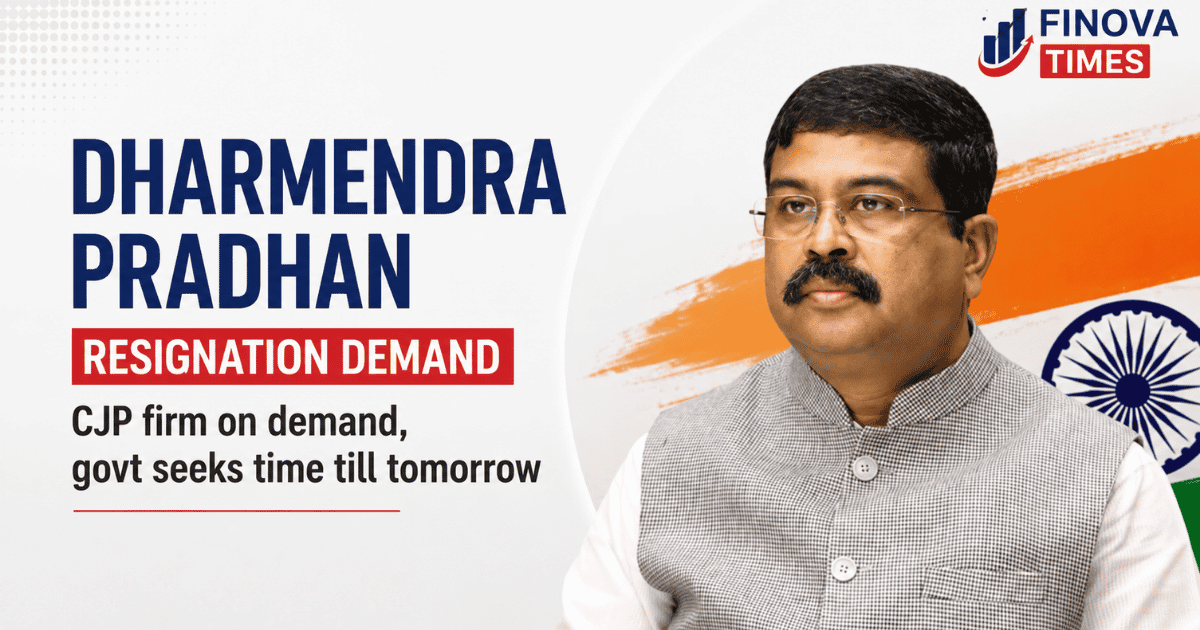
Read more: Dharmendra Pradhan Resignation Demand: Govt Seeks More Time

Abdul Rehman is the founder and editor of FinovaTimes a digital-first financial media platform covering global markets, artificial intelligence, investing, business, and economic trends.
With a strong focus on modern financial journalism and data-driven storytelling, he specializes in translating complex market developments into clear, accessible insights for a global audience. His editorial work spans AI innovation, Wall Street trends, stock market analysis, macroeconomics, and emerging technologies shaping the future of finance.
Under his leadership, FinovaTimes has developed a modern newsroom approach inspired by leading global financial media brands, combining real-time reporting, high-impact digital publishing, and audience-focused financial content.
His work emphasizes clarity, credibility, and forward-looking analysis across the rapidly evolving global economy.