Abdul Rehman
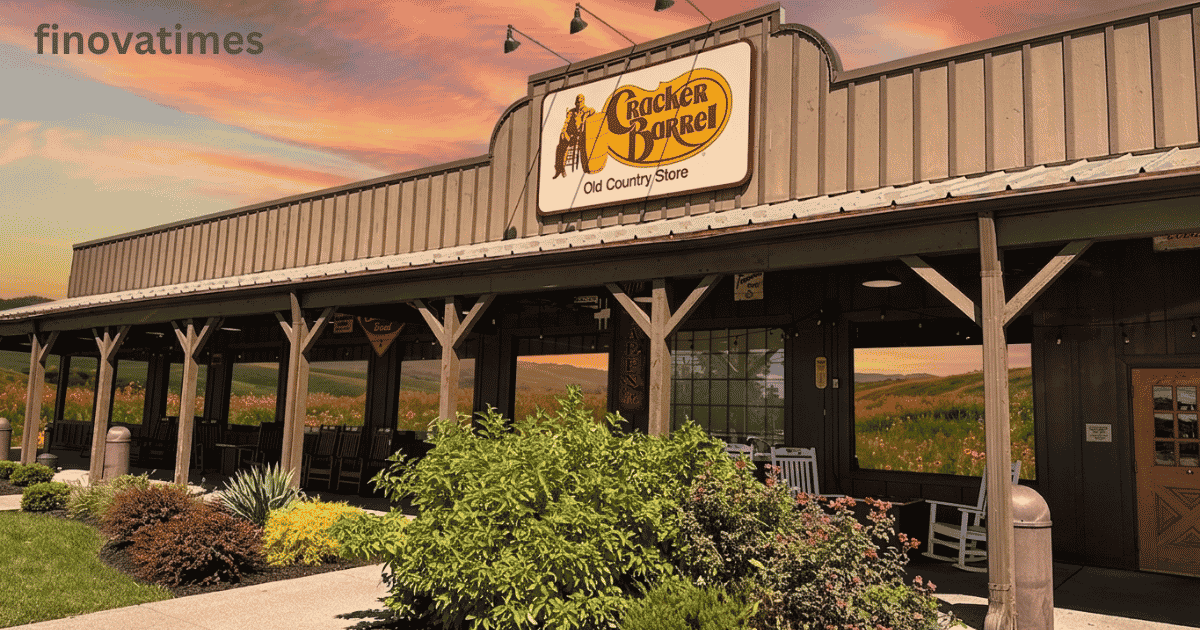
Cracker Barrel CEO Julie Masino is stepping down on August 10, with David Deno set to take over as the restaurant chain faces the fallout of its controversial rebrand.
Cracker Barrel CEO Julie Masino to Step Down as David Deno Takes Over
Julie Masino is stepping down from her position on August 10, ending a roughly three-year tenure that was marked by an ambitious modernization campaign, intense customer backlash, and growing pressure to restore the restaurant chain’s traditional identity.
The company announced Monday that David Deno will become the next CEO and join Cracker Barrel’s board of directors. Masino will remain with the company in an advisory role until October 9 to help ensure a smooth leadership transition.
The leadership change comes at a critical moment for Cracker Barrel. The restaurant chain has spent the past year trying to recover from a controversial rebranding effort that alienated many longtime customers and created significant pressure on the company’s business strategy.
David Deno Named Cracker Barrel’s Next CEO
David Deno will officially take over as Cracker Barrel’s chief executive on August 10. He brings decades of experience in the restaurant and retail industries to the role.
Deno previously served as CEO of Bloomin’ Brands, the company behind restaurant brands including Outback Steakhouse. He has also held senior leadership positions at major companies such as Best Buy and Yum! Brands.
Cracker Barrel Chairman Carl Berquist said the company conducted a comprehensive search before selecting Deno. According to the board, his experience in restaurant operations, retail, financial management and customer-focused businesses made him the right candidate to lead the company.
Deno said Cracker Barrel remains an iconic American brand with a strong connection to customers across generations. He said his focus will be on improving the guest experience, serving quality food and creating profitable growth.
This leadership transition is taking place during a critical time for the organization, as it continues to deal with problems within the larger business news environment.
Masino’s Exit Follows Controversial Rebranding
Julie Masino’s departure follows one of the most difficult periods in Cracker Barrel’s recent history.
The company launched a major modernization strategy that included changes to its logo, restaurant interiors and menu. The broader transformation plan was part of a reported $700 million investment across more than 660 restaurants.
The goal was to attract new customers and make the brand more relevant to a wider audience. However, the strategy quickly faced strong criticism from loyal customers who believed the company was moving too far away from its traditional identity.
Uncle Herschel, who had become part of the logo for many years, was another area of major dispute. The chain started remodeling its restaurants by doing away with some of the classic elements that were characteristic of the dining experience at Cracker Barrel.
The response was immediate and intense.
Cracker Barrel Reversed Its Rebranding Strategy
Following the backlash, Cracker Barrel reversed course on several of its rebranding plans. The company restored its traditional logo and acknowledged that the changes had not connected with its customer base as expected.
Masino later admitted that the company had missed the mark with its modernization strategy. The focus then shifted toward reconnecting with longtime customers and rebuilding trust in the brand.
The controversy also attracted pressure from activist investor Sardar Biglari, who criticized the company’s performance and management strategy. Despite the pressure, shareholders voted to retain Masino in November.
However, the rebranding controversy continued to weigh on the company’s reputation and financial performance.
Sales and Profit Pressure Added to the Challenge
The leadership transition comes after a difficult period for Cracker Barrel’s financial performance.
The company reported disappointing figures for the month of December and admitted that it was still struggling with rebuilding trust among its consumers. The sales struggle persisted in the coming months, although some of the company’s performance beat market analysts’ estimates.
Masino previously said the company was beginning to see signs of improvement, including better customer traffic trends and positive operational developments.
More recently, Cracker Barrel has taken additional steps to strengthen its balance sheet and reduce debt.
Company Sells Maple Street Biscuit Company
As part of its broader strategy to improve profitability, Cracker Barrel recently announced the sale of Maple Street Biscuit Company.
The company sold the Maple Street brand and 35 locations to Biscuit Belly LLC. Cracker Barrel also closed the remaining 16 Maple Street locations.
The move allows the restaurant chain to focus more closely on its core Cracker Barrel business.
The company also completed a sale-leaseback transaction involving 26 company-owned restaurant properties. The deal generated approximately $77 million in net proceeds, which Cracker Barrel planned to use to reduce debt.
While the transaction provides additional cash, it also means the company will continue operating the restaurants as a tenant by leasing the properties from their new owner.
At the same time, investors are paying attention to the financial performance of the firm, taking into account the broader stock market updates and consumer trends.
Cracker Barrel Enters a New Era
This time, David Deno will lead Cracker Barrel, which currently seeks to find a compromise between its traditions and future growth.
The company has already reverted numerous changes that provoked customer discontent. Therefore, the new management may feel compelled to enhance sales, increase profits, maintain the company’s traditional characteristics, and attract new customers.
Experience in the restaurant business may come handy for Deno as he will have to help the company to overcome difficulties and get back to normal operation.
Now Cracker Barrel will have to leave behind all the discussions related to its rebranding and focus on its core business activities – the improvement of restaurant’s performance and customer experience management, as well as on the reduction of the company’s debts.
In addition, for Cracker Barrel, the CEO change means much more than the mere replacement of the company’s leader. For the corporation, this event means a significant turning point after a very complicated period when the modernization strategy of the company contradicted the expectations of its customers.
source:
According to the company’s [official announcement], David Deno will take the position of Cracker Barrel’s CEO from August 10, whereas Julie Masino will continue to serve in her position till October 9.

Abdul Rehman is the founder and editor of FinovaTimes a digital-first financial media platform covering global markets, artificial intelligence, investing, business, and economic trends.
With a strong focus on modern financial journalism and data-driven storytelling, he specializes in translating complex market developments into clear, accessible insights for a global audience. His editorial work spans AI innovation, Wall Street trends, stock market analysis, macroeconomics, and emerging technologies shaping the future of finance.
Under his leadership, FinovaTimes has developed a modern newsroom approach inspired by leading global financial media brands, combining real-time reporting, high-impact digital publishing, and audience-focused financial content.
His work emphasizes clarity, credibility, and forward-looking analysis across the rapidly evolving global economy.