Abdul Rehman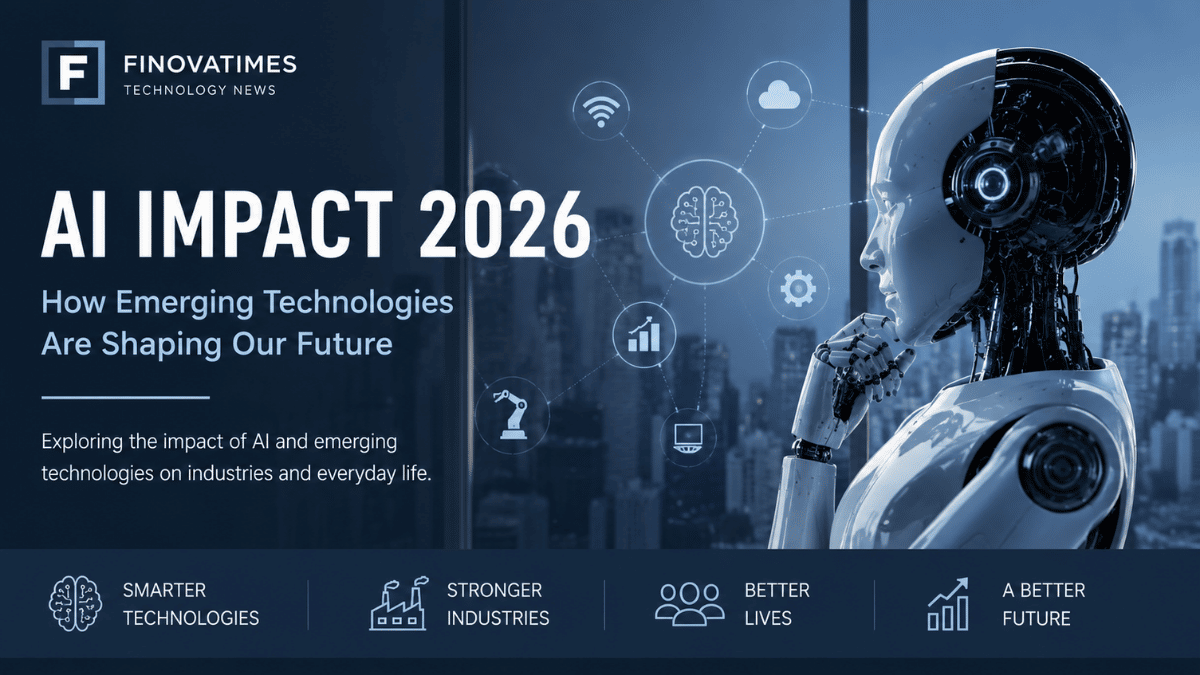
AI Impact 2026 explores how artificial intelligence and emerging technologies are transforming industries, daily life, and the future.
Future Predictions for AI and Emerging Technologies
Artificial intelligence is evolving faster than ever, and AI impact 2026 is becoming visible across nearly every part of society. From healthcare and education to finance, manufacturing, and entertainment, AI-powered innovations are changing how people work, communicate, and make decisions. At the same time, emerging technologies such as robotics, automation, cloud computing, and advanced data analytics are accelerating this transformation.
Understanding these developments is important because AI is no longer just a futuristic concept—it is already influencing businesses and everyday life worldwide.
The Current State of AI and Emerging Technologies
Artificial intelligence has reached a stage where it supports both individuals and organizations with faster, more accurate decision-making. Businesses now use AI to analyze large amounts of data, improve customer experiences, automate repetitive tasks, and increase productivity.
Emerging technologies such as machine learning, generative AI, computer vision, robotics, and the Internet of Things (IoT) are becoming more connected than ever. Together, these technologies help companies reduce costs, improve efficiency, and develop smarter products and services.
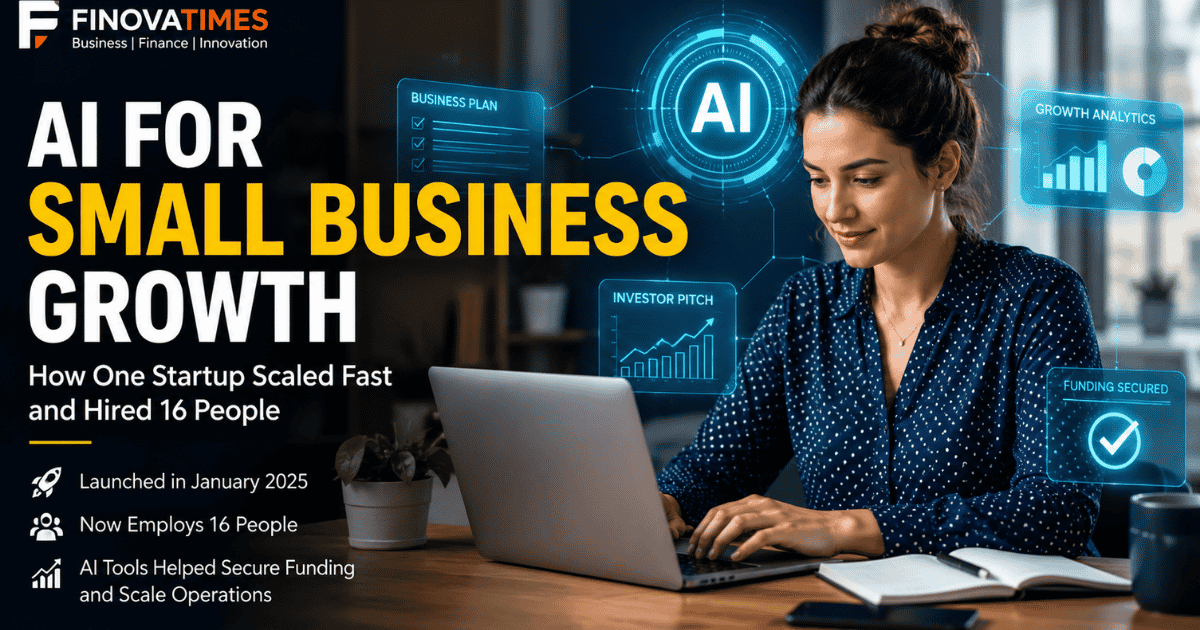
Cloud computing has also made AI tools more accessible, allowing startups and small businesses to adopt technologies that were once available only to large enterprises.
AI Impact on Industries in 2026
The AI impact 2026 is particularly noticeable across major industries.
Healthcare organizations use AI to assist doctors in diagnosing diseases, analyzing medical images, and improving patient care. Financial institutions rely on AI to detect fraud, manage risks, and deliver personalized banking experiences.
Manufacturing companies continue expanding smart factories where AI-powered machines monitor production quality and predict equipment failures before they happen. Retail businesses use AI for inventory management, customer recommendations, and automated customer support.
Education is also benefiting from personalized learning platforms that adapt lessons according to students’ learning styles, helping improve educational outcomes.
Everyday Life Changes Due to AI
Artificial intelligence has become part of daily routines for millions of people. Virtual assistants answer questions, recommend content, manage schedules, and even control smart home devices.
AI-powered translation tools help people communicate across different languages, while navigation apps provide real-time traffic updates and optimized travel routes.
Online shopping has become more personalized through recommendation systems, while streaming platforms suggest movies and music based on user preferences.
Even smartphones now include AI features for photography, voice recognition, battery optimization, and security, making technology more intelligent and user-friendly.
AI Challenges and Ethical Concerns in 2026
Despite its many benefits, AI also presents several important challenges.
Privacy and data security remain major concerns as AI systems rely heavily on user information. Organizations must ensure that personal data is collected responsibly and protected against cyber threats.
Bias in AI algorithms is another issue that developers continue addressing to ensure fair and transparent decision-making. Governments worldwide are introducing regulations to encourage responsible AI development while balancing innovation with public safety.
Preparing workers for changing job roles through reskilling and upskilling programs has also become a priority as automation continues expanding.
Google AI brings you information about the latest research, responsible AI practices, and advances in artificial intelligence.
Future Predictions for AI and Emerging Technologies
Looking ahead, AI is expected to become even more integrated into everyday life.
Experts predict wider adoption of autonomous vehicles, intelligent healthcare systems, advanced robotics, AI-powered cybersecurity, and personalized education platforms. Businesses are likely to rely increasingly on predictive analytics and automation to improve operational efficiency.
Collaboration between humans and AI will become more common rather than complete replacement, allowing employees to focus on creativity, strategy, and complex problem-solving while AI handles repetitive tasks.
As innovation continues, responsible governance and ethical development will play an essential role in ensuring that AI benefits society as a whole.
You may also want to check out our comprehensive article on Machine Learning to learn about the underlying technology used in modern-day AI applications.
Why AI Literacy Matters Today
As AI becomes part of nearly every profession, understanding its capabilities and limitations is increasingly valuable. Basic AI literacy helps individuals adapt to technological changes, improve digital skills, and make informed decisions when using AI-powered tools.
Students, professionals, entrepreneurs, and businesses that embrace continuous learning will be better prepared for future opportunities created by artificial intelligence.
Learn about how businesses are changing due to artificial intelligence from the official Microsoft AI web page.
Conclusion
The AI impact 2026 represents a significant shift in how technology influences industries, economies, and everyday life. Artificial intelligence is helping organizations innovate, improve productivity, and deliver better services while offering individuals smarter digital experiences.
Although challenges such as privacy, ethics, and workforce adaptation remain important, responsible AI development can create long-term benefits for society. Staying informed about emerging technologies today will help individuals and businesses confidently navigate the rapidly evolving digital future.
Editorial Note: This article is based on current technology trends, industry reports, and publicly available research. Developments in artificial intelligence continue to evolve, and future advancements may introduce new capabilities, regulations, and applications.
Disclaimer: This content is intended for informational and educational purposes only. It does not constitute professional, financial, legal, or technological advice. Readers should verify critical information through official sources before making business or technology-related decisions.
Get detailed insights into enterprise AI, machine learning, and business transformations at the official IBM web page.
Read about how the World Economic Forum views AI impacts on jobs and global industries.

Abdul Rehman is the founder and editor of FinovaTimes a digital-first financial media platform covering global markets, artificial intelligence, investing, business, and economic trends.
With a strong focus on modern financial journalism and data-driven storytelling, he specializes in translating complex market developments into clear, accessible insights for a global audience. His editorial work spans AI innovation, Wall Street trends, stock market analysis, macroeconomics, and emerging technologies shaping the future of finance.
Under his leadership, FinovaTimes has developed a modern newsroom approach inspired by leading global financial media brands, combining real-time reporting, high-impact digital publishing, and audience-focused financial content.
His work emphasizes clarity, credibility, and forward-looking analysis across the rapidly evolving global economy.