Abdul Rehman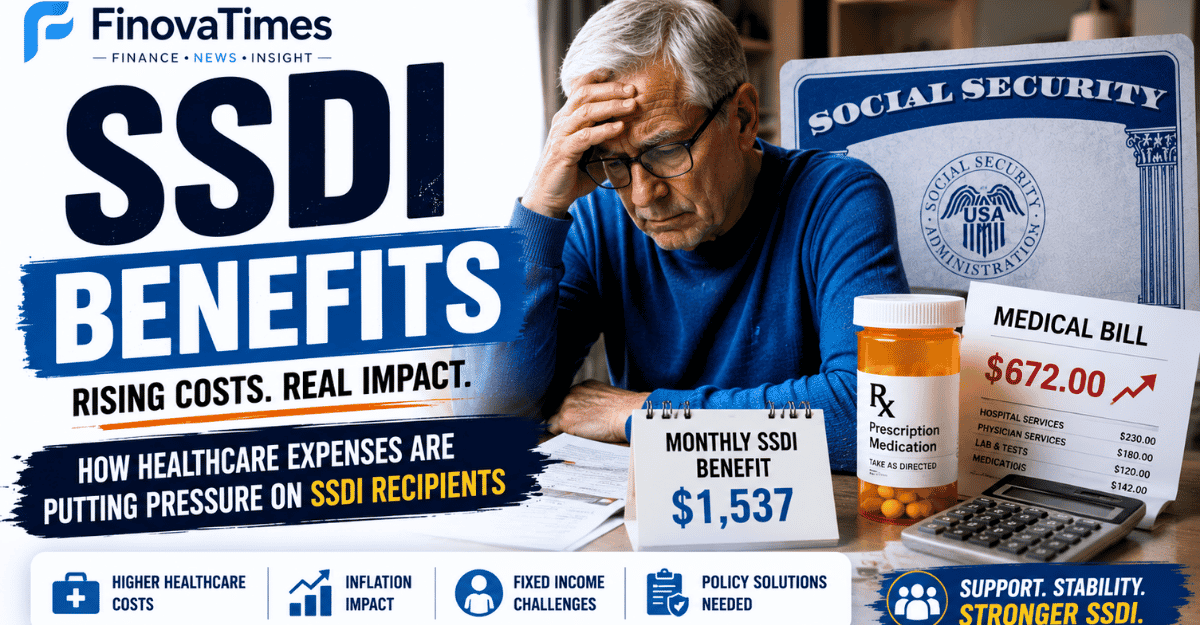
SSDI Benefits face growing financial challenges as healthcare costs continue to rise across the United States.
SSDI Benefits Under Pressure as Healthcare Costs Continue to Rise
Millions of Americans rely on SSDI benefits to cover essential living expenses after becoming unable to work due to a qualifying disability. However, as healthcare costs continue to climb across the United States, many Social Security Disability Insurance (SSDI) recipients are finding it increasingly difficult to make ends meet.
From higher prescription drug prices to rising insurance premiums and medical service costs, inflation in the healthcare sector is creating new financial pressures for disabled Americans living on fixed incomes.
While annual Social Security cost-of-living adjustments (COLA) help offset some inflation, many advocates argue that benefit increases have not fully kept pace with the real-world expenses faced by SSDI recipients.
Read more: Social Security COLA 2027: How Much Could Benefits Rise?
What Are SSDI Benefits?
Social Security Disability Insurance (SSDI) provides monthly payments to individuals who have worked and paid Social Security taxes but can no longer work because of a qualifying disability.
The program serves millions of Americans suffering from severe physical and mental health conditions, including:
Neurological disorders
Cardiovascular diseases
Cancer
Musculoskeletal conditions
Severe mental health disorders
Chronic illnesses
Unlike Supplemental Security Income (SSI), SSDI eligibility is based on an individual’s work history and contributions to Social Security.
For many recipients, SSDI benefits represent their primary or only source of income.
Healthcare Costs Continue Rising Faster Than Inflation
Healthcare spending remains one of the fastest-growing household expenses in America.
Over the past several years, Americans have experienced rising costs for:
Doctor visits
Hospital services
Health insurance premiums
Prescription medications
Specialist care
Long-term treatment services
While inflation has moderated compared to its recent peak, healthcare costs continue increasing faster than many other consumer expenses.
For SSDI beneficiaries, these rising costs can significantly reduce purchasing power.
Many recipients report spending a growing share of their monthly benefits on healthcare-related expenses, leaving less money available for housing, food, transportation, and utilities.
Why SSDI Recipients Are Especially Vulnerable
Disabled Americans often face unique financial challenges compared to other groups.
Limited Earning Ability
Most SSDI recipients cannot substantially increase their income through employment because of medical limitations.
Unlike workers who can seek higher-paying jobs or additional hours, many disabled individuals have restricted earning capacity.
Higher Medical Needs
Many beneficiaries require:
Ongoing treatment
Frequent doctor visits
Prescription medications
Rehabilitation services
Medical equipment
As healthcare prices rise, these recurring expenses place additional strain on household budgets.
Fixed Monthly Income
SSDI payments generally provide predictable monthly income.
However, fixed benefits may struggle to keep pace with rapidly rising costs in healthcare and housing markets.
The Impact of Inflation on SSDI Benefits
Annual COLA adjustments help Social Security beneficiaries manage inflation.
However, many disability advocates argue that the current inflation formula does not accurately reflect the expenses experienced by disabled Americans.
Healthcare spending often rises faster than overall inflation.
As a result, beneficiaries may receive annual benefit increases while still losing purchasing power in practical terms.
This concern has become increasingly important as medical costs continue climbing nationwide.
Prescription Drug Costs Remain a Major Concern
Prescription medications represent one of the largest expenses for many SSDI recipients.
Individuals managing chronic illnesses may require multiple medications every month.
Common challenges include:
Higher drug prices
Increased insurance deductibles
Copayment expenses
Specialty medication costs
Even small increases in prescription expenses can create financial hardship for beneficiaries living on limited incomes.
Healthcare advocates continue calling for policies aimed at reducing out-of-pocket medication expenses for vulnerable populations.
Housing and Healthcare Costs Create Double Pressure
Many SSDI recipients face rising costs in multiple areas simultaneously.
Housing expenses have increased significantly in many parts of the country.
At the same time, medical costs continue to rise.
This combination can force difficult financial decisions, including:
Delaying medical treatment
Skipping medications
Reducing household spending
Using credit to cover expenses
Financial experts warn that these pressures may increase economic insecurity among disabled Americans if costs continue rising faster than benefits.
Potential Policy Changes Being Discussed
Lawmakers and advocacy organizations have proposed several ideas to strengthen financial support for SSDI beneficiaries.
Some proposals include:
Updating Benefit Formulas
Advocates argue that benefit calculations should better reflect healthcare spending patterns.
Improving COLA Calculations
Some experts support alternative inflation measures that place greater emphasis on medical expenses.
Expanding Healthcare Assistance
Additional healthcare support programs could help reduce out-of-pocket expenses for disabled individuals.
Prescription Drug Reforms
Efforts to lower medication costs remain a major policy discussion in Washington.
While no major changes have been approved, these proposals continue to receive attention from policymakers.
What SSDI Recipients Can Do Now
Financial experts recommend several strategies for managing rising expenses.
Review Available Assistance Programs
Beneficiaries may qualify for:
Medicare assistance programs
Prescription savings programs
State disability assistance programs
Utility assistance programs
Monitor Healthcare Coverage
Reviewing insurance plans annually can help identify opportunities for cost savings.
Create a Monthly Budget
Tracking expenses can help recipients identify unnecessary spending and prepare for future healthcare costs.
Stay Informed About Benefit Changes
The Social Security Administration regularly provides updates regarding SSDI benefits, COLA increases, and eligibility requirements.
The Future of SSDI Benefits
The long-term outlook for SSDI benefits remains closely connected to broader Social Security funding discussions.
Recent reports regarding Social Security trust fund challenges have increased concerns about future program stability.
However, experts note that disability benefits remain an essential safety net for millions of Americans.
Many analysts believe lawmakers will continue working toward solutions that preserve support for vulnerable beneficiaries while addressing long-term funding concerns.
Final Thoughts
Rising healthcare costs are creating significant financial challenges for SSDI recipients across the United States. Although annual COLA adjustments provide some relief, many beneficiaries continue struggling with increasing expenses related to medical care, prescription drugs, and daily living costs.
As policymakers debate future reforms, understanding available resources and planning ahead may help beneficiaries better manage financial pressures in the years ahead.
FAQs
What are SSDI benefits?
SSDI benefits are monthly payments provided by Social Security to individuals who cannot work because of a qualifying disability and have sufficient work history.
Why are healthcare costs affecting SSDI recipients?
Many SSDI beneficiaries require ongoing medical care, prescription medications, and specialist treatment, making them especially vulnerable to rising healthcare expenses.
Do SSDI benefits increase each year?
Yes. SSDI benefits generally receive annual Cost-of-Living Adjustments (COLA) based on inflation.
Can SSDI recipients work while receiving benefits?
Some recipients may work under specific Social Security rules, but earnings limits and eligibility requirements apply.
Where can I find official SSDI information?
Official SSDI information is available through the Social Security Administration (SSA).
Related article: Social Security Crisis 2032 Could Trigger Major Benefit Cuts
Source References
This report is based on publicly available information from the Social Security Administration (SSA), healthcare expenditure data from the Centers for Medicare & Medicaid Services (CMS), and healthcare inflation statistics published by the U.S. Bureau of Labor Statistics (BLS). FinovaTimes has independently reviewed and summarized the information for educational and informational purposes.
Disclaimer: Rising healthcare costs continue to affect SSDI recipients nationwide, but individual financial circumstances may vary. SSDI eligibility, payment amounts, and annual benefit adjustments are determined by the Social Security Administration. Readers should consult official government resources for the latest information regarding disability benefits and healthcare assistance programs.

Abdul Rehman is the founder and editor of FinovaTimes a digital-first financial media platform covering global markets, artificial intelligence, investing, business, and economic trends.
With a strong focus on modern financial journalism and data-driven storytelling, he specializes in translating complex market developments into clear, accessible insights for a global audience. His editorial work spans AI innovation, Wall Street trends, stock market analysis, macroeconomics, and emerging technologies shaping the future of finance.
Under his leadership, FinovaTimes has developed a modern newsroom approach inspired by leading global financial media brands, combining real-time reporting, high-impact digital publishing, and audience-focused financial content.
His work emphasizes clarity, credibility, and forward-looking analysis across the rapidly evolving global economy.