Abdul Rehman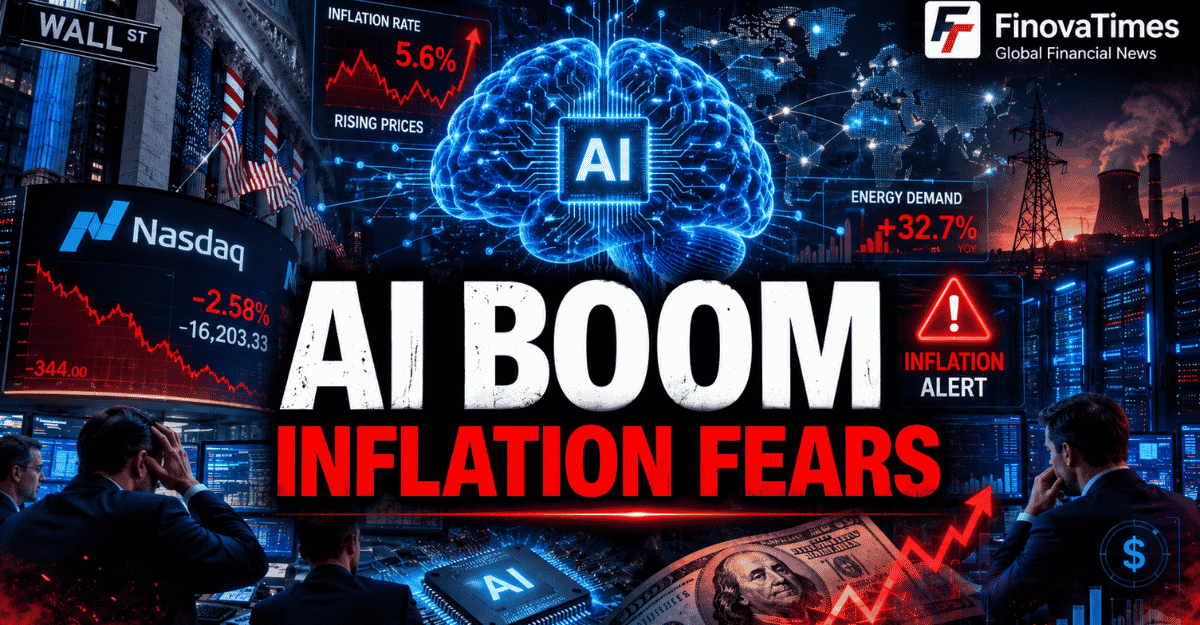
AI Boom Inflation 2026 is increasing Wall Street concerns as rising AI infrastructure costs, energy demand, and tech valuations fuel.
AI Boom Inflation 2026 Raises Fresh Concerns for Wall Street and the Global Economy
The artificial intelligence revolution continues to dominate global financial markets, but economists and investors are now raising concerns about a new challenge known as AI Boom Inflation 2026. While AI technology has helped drive stock market rallies and massive corporate investments, the rapid growth of the industry is also increasing infrastructure costs, energy demand, and pressure on inflation.
Over the past year, major technology companies have invested billions of dollars into artificial intelligence projects. From advanced AI chips to massive cloud computing networks and data centers, the global race to dominate the AI sector is accelerating faster than expected. However, this aggressive expansion is now creating concerns that the AI industry itself could become one of the key drivers of inflation in 2026.
Massive AI Spending Is Changing the Market
The AI Boom Inflation 2026 trend is largely connected to the enormous spending taking place across the technology sector. Companies including Microsoft, Google, Nvidia, Amazon, and Meta continue increasing their investments in AI infrastructure.
Building modern AI systems requires expensive semiconductors, high-performance servers, cooling systems, and huge amounts of electricity. As demand for these resources rises, prices across multiple industries are also moving higher.
Analysts say the cost of AI hardware has increased significantly because global demand for advanced chips remains extremely strong. At the same time, construction of large-scale data centers is increasing pressure on energy grids in several countries.
Many experts now believe the AI sector is creating a chain reaction across the economy. Businesses supplying energy, networking equipment, cloud services, and semiconductor technology are all experiencing rising operational costs.
Energy Demand Could Become a Major Problem
One of the biggest concerns surrounding AI Boom Inflation 2026 is the growing demand for electricity. AI-powered data centers require enormous amounts of power to train and run advanced machine learning systems.
Several reports suggest that electricity consumption from AI infrastructure could continue rising sharply over the next few years. This may place additional pressure on utility prices and industrial energy costs.
Wall Street analysts warn that higher electricity demand could eventually impact both businesses and consumers. If companies face rising operating expenses, many may pass those costs onto customers through higher prices.
This situation becomes even more important as central banks continue trying to control inflation after several years of economic uncertainty.
Federal Reserve Monitoring AI Inflation Risks
The Federal Reserve and other global central banks are closely watching how artificial intelligence impacts inflation and economic growth. While AI could improve productivity over the long term, the short-term spending boom is creating new concerns for policymakers.
If inflation remains elevated during 2026, the Federal Reserve may decide to keep interest rates higher for longer than investors previously expected. Higher interest rates typically create pressure on technology stocks and growth-focused companies.
The current market rally has been heavily driven by enthusiasm around AI companies. However, some economists believe investors may be underestimating the risks associated with excessive valuations and rising infrastructure costs.
Wall Street Fears Another Technology Bubble
The rapid rise of AI-related stocks has also triggered comparisons to previous technology bubbles. Shares of several AI-focused companies have surged dramatically as investors continue betting on future growth.
Although many analysts remain optimistic about artificial intelligence in the long term, others believe the market may be becoming overheated. The AI Boom Inflation 2026 story is now adding another layer of uncertainty for investors already concerned about global inflation and slowing economic growth.
Some experts argue that the market is entering a dangerous phase where excitement around AI could push stock prices beyond realistic valuations. If inflation continues rising and economic conditions weaken, technology stocks may face increased volatility.
Investors Are Watching Key Economic Signals Boom Inflation
Investors are now paying close attention to several important economic indicators linked to AI Boom Inflation 2026. These include:
US inflation reports
Federal Reserve policy decisions
AI company earnings
Semiconductor demand
Electricity prices
Cloud computing spending
Data center expansion projects
Financial markets are expected to remain highly sensitive to inflation data throughout the year. Any sign that AI-related spending is increasing inflation pressure could impact both stock markets and interest rate expectations.
The AI Revolution Still Has Long-Term Potential
Despite growing concerns, many experts still believe artificial intelligence will transform the global economy over the next decade. AI technology has the potential to improve productivity, automate industries, and create new business opportunities.
However, the AI Boom Inflation 2026 debate highlights the challenges that can emerge when technological growth happens at an extremely rapid pace. Investors and policymakers now face the difficult task of balancing innovation with economic stability.
As Wall Street continues monitoring inflation trends and AI investment growth, the relationship between artificial intelligence and the global economy may become one of the biggest financial stories of 2026.
Disclaimer: This article is for informational purposes only and does not constitute financial or investment advice. Investors should conduct their own research before making financial decisions.
According to reports from Reuters and global market analysts, rising AI infrastructure spending and energy demand are increasing inflation concerns across Wall Street.
Full Market Report: Social Security Crisis 2032 Could Trigger Major Benefit Cuts

Abdul Rehman is the founder and editor of FinovaTimes a digital-first financial media platform covering global markets, artificial intelligence, investing, business, and economic trends.
With a strong focus on modern financial journalism and data-driven storytelling, he specializes in translating complex market developments into clear, accessible insights for a global audience. His editorial work spans AI innovation, Wall Street trends, stock market analysis, macroeconomics, and emerging technologies shaping the future of finance.
Under his leadership, FinovaTimes has developed a modern newsroom approach inspired by leading global financial media brands, combining real-time reporting, high-impact digital publishing, and audience-focused financial content.
His work emphasizes clarity, credibility, and forward-looking analysis across the rapidly evolving global economy.